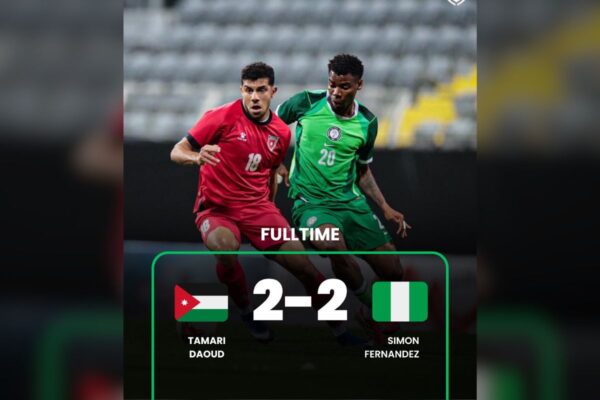






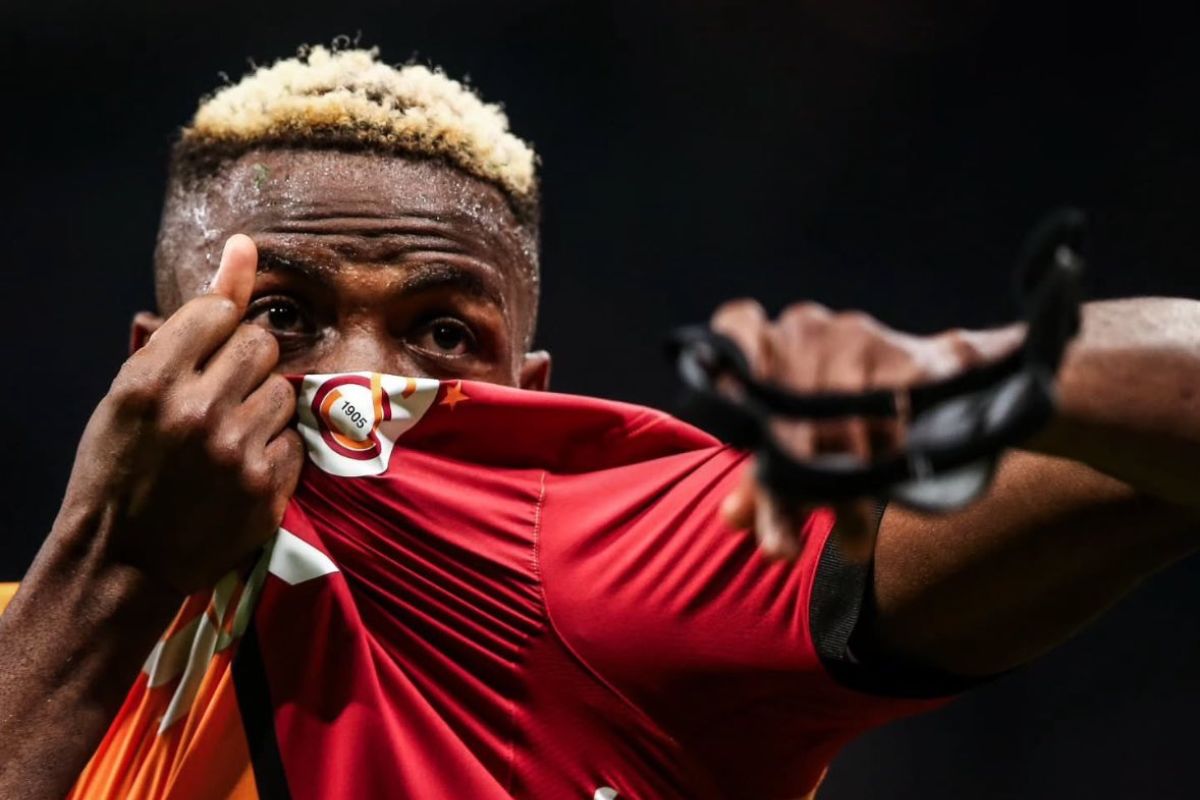
The narrative of Nigerian football has reached a boiling point in 2026. While stars like Victor Osimhen and Ademola Lookman have established the “Nigerian Standard” at the pinnacle of global football, their success has created a positive halo effect that validates the elite potential of the next wave. The value gap is closing; the Nigerian footballer is no longer a gamble, but a proven cornerstone. From the Champions League exploits of Onyedika to the physical dominance of Paul Onuachu, we are witnessing the emergence of several elite athletes from the Giants of Africa.
The business of Nigerian football in 2026 is no longer about finding “diamonds in the rough”; it is about recognizing established excellence. These players have developed a mental callousness. They operate in leagues where the fans are volatile, and the media is unforgiving. They are forced to produce double the output of their South American or European counterparts to receive the same transfer link. Players like Maduka Okoye have rebuilt their psyches after public setbacks, proving that modern Nigerian footballers possess a level of emotional resilience that is arguably higher or on par with Western academies.
From wildcard revelations to underrated icons, these are the top 10 Nigerians that should be playing at a higher level right now –
1. Victor Osimhen (Galatasaray)
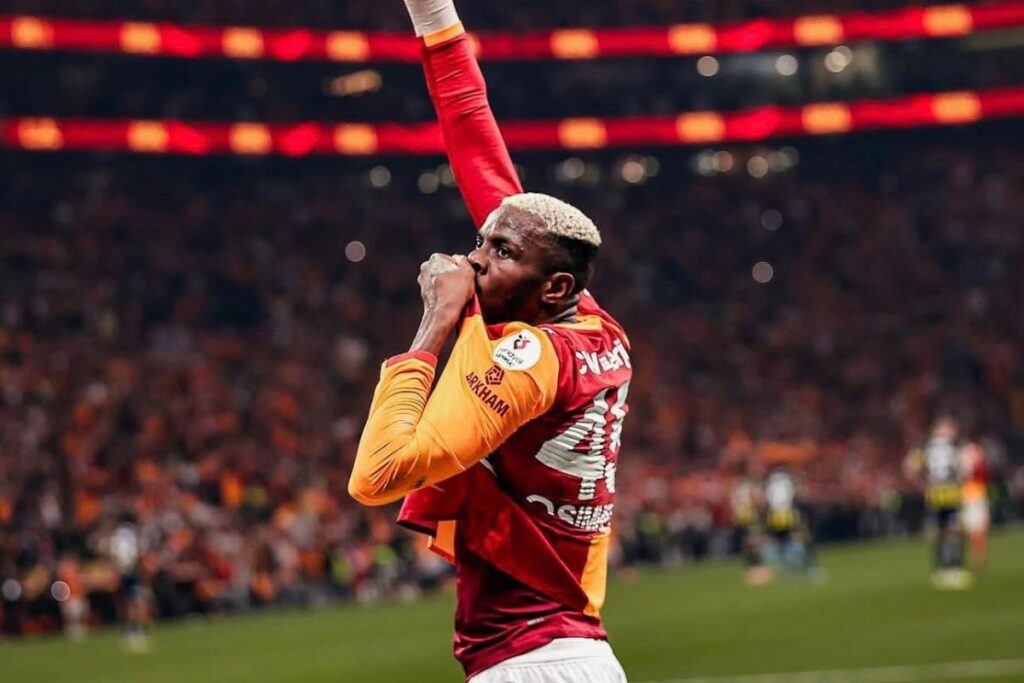
Osimhen is the ultimate psychological and tactical benchmark. His move to Galatasaray was initially viewed with some skepticism, but his 20 goals and counting in 31 games and a recent valuation surge to €100m+ have silenced critics. Osimhen embodies a refusal to fail. Whether in Naples or Istanbul, his intensity remains constant. He has proved that he doesn’t just play for a team; he carries the emotional weight of an entire city.
Victor Osimhen is a generational striker whose profile makes him the definitive solution to the structural loopholes plaguing Europe’s elite. By leading Napoli to a historic 2023 Scudetto, Osimhen showed he possesses the psychological grit to shatter decades of institutional failure, a trait desperately needed by modern giants like Chelsea or Manchester United. He is the ultimate remedy for the lethargy found in possession-heavy systems, such as Mikel Arteta’s Arsenal. Where academic passing hits a wall, Osimhen provides vertical violence.
His elite aerial dominance pins opposing centre-backs, effectively opening the door for creative wingers to exploit the vacated space. Furthermore, he fixes the transition crisis seen in some teams; his relentless runs stretch defensive lines, turning mid-block recoveries into clinical goals. While top clubs gamble nine-figure sums on unproven potential, Osimhen offers a tactical guarantee. According to ‘SportBusiness’, he provides a unique commercial gravity, filling the “Brand Vacuum” left by departing superstars while ensuring on-pitch results.
He is not merely a footballer but the bridge between modern tactical sophistication and raw, predatory instinct. Any top-tier team operating without a focal point of his calibre is essentially choosing to leave a massive loophole in their architecture, one that prevents them from ascending to the highest levels occupied by the world’s truly undeniable forces.
2. Paul Onuachu (Trabzonspor)
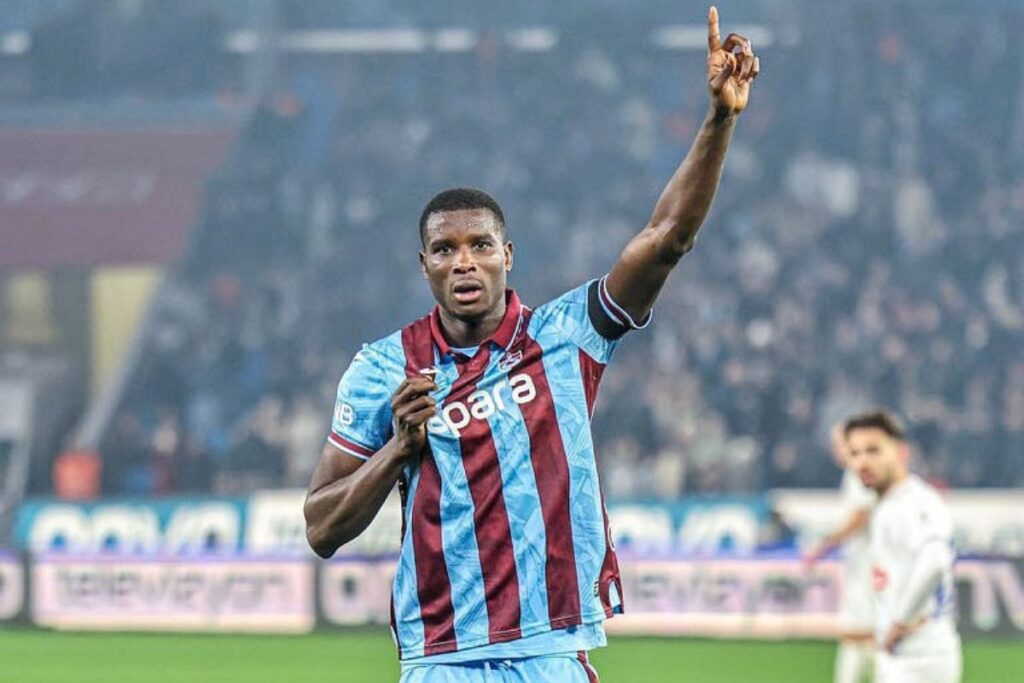
Onuachu is perhaps the most glaring example of “League Snobbery.” Scoring 24 goals in 29 appearances is elite in any league. Critically, he is a player whose sheer physical presence dictates the movement of the entire opposition defence. In the box, however, he is an efficient No. 9 who only needs half a chance to change the scoreline. His game is simple but effective: occupy centre-backs, win first balls, and convert chances inside the box.
At 31, he is at a sporting period where technical wisdom meets physical peak. A team like Everton or West Ham is missing a trick by not utilizing his 0.82 goals-per-game ratio. Unlike more mobile strikers, he might not be heavily involved in build-up phases, but he offers a constant outlet for direct play, crosses, and an ever-present goal threat.
Tactically, Onuachu’s role is very specific: he is the reference point in attack. Trabzonspor often uses him to pin centre-backs, win aerial duels, and bring others into play in advanced areas. He is frequently targeted with early balls into the box, and his presence alone alters how opponents defend, forcing deeper defensive lines and creating space for supporting attackers. When the service is consistent, he becomes one of the most dangerous strikers in the sport.
Looking at potential fits, Onuachu would thrive in teams that emphasise crossing, structured attacking, and physical presence in the box. Clubs in leagues like the Bundesliga, or even certain Premier League sides such as West Ham United FC, Nottingham Forest FC, or VfL Wolfsburg, would align well with his profile. These are environments where direct play, set-pieces, and aerial dominance are still valuable weapons. In the right setup, Onuachu can be a primary goal source capable of delivering consistent double-digit returns over a season.
3. Raphael Onyedika (Club Brugge)
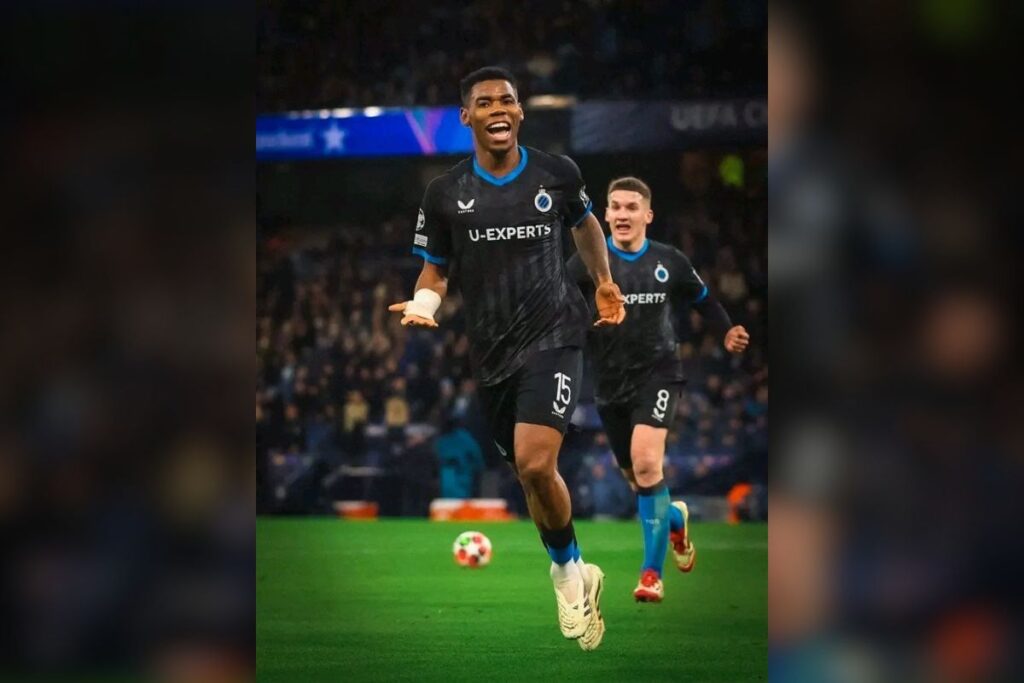
Raphael Onyedika has developed into one of the most quietly effective defensive midfielders in European football. Currently attracting interest from the biggest teams in Europe, Onyedika has outgrown the Belgian Pro League. Club Brugge’s recent rejection of a €20m package from Galatasaray is testament to this value.
Since joining Club Brugge in 2022, he has established himself as a reliable No. 6 who can also operate as a No. 8 or even drop into defence when needed. His profile is built around mobility, duel-winning, and positional discipline rather than attacking output. A consistent starter in domestic and European competitions, he is showing his value in systems that demand pressing, transitional control, and midfield compactness.
Onyedika has been clutch in high-level matches, particularly in European competition. He has scored and contributed in big moments such as Champions League fixtures where he both found the net and influenced key comebacks, including a notable performance in a 3–3 draw against Atlético Madrid. His ability to step up in these environments proves he is not just a system player, but one capable of performing under pressure against elite opposition.
His profile has put several top clubs on alert, including Bayern Munich, AC Milan, Paris Saint-Germain, and Borussia Dortmund. These teams all share a need for press-resistant, defensively intelligent midfielders who can anchor possession while covering large spaces. In short, Onyedika is not a flashy midfielder, but a modern, system-critical No. 6, the kind of player elite teams increasingly rely on to make everything else function.
4. Bruno Onyemaechi (Olympiacos)
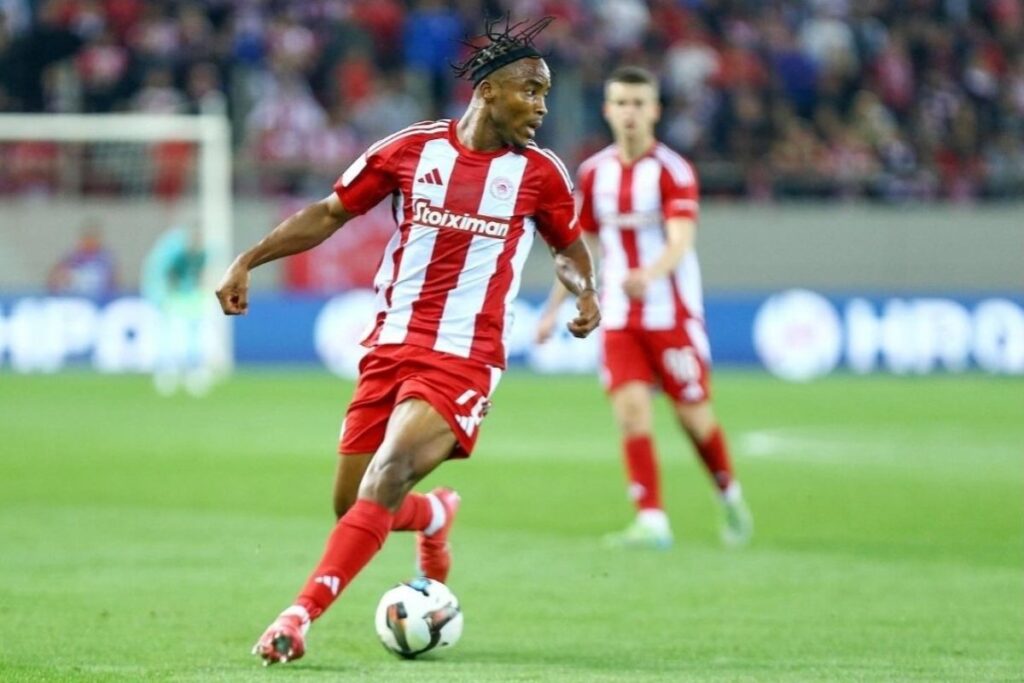
Bruno Onyemaechi’s move to Olympiacos FC from Boavista was a natural progression for a player who had outgrown lower visibility environments. Primarily a left-back, but capable of playing center back when needed, he has built a reputation around consistency, defensive reliability, and tactical discipline. In many ways, he represents the type of full-back coaches trust more than fans celebrate.
At 27, Onyemaechi is entering his prime years physically and tactically. He combines strong stamina with repeat sprints, solid recovery, and aggressive dueling. He is particularly effective in systems that ask full-backs to defend first, hold shape, and support possession phases sensibly rather than constantly overlap. That balance gives him value in competitive leagues where risk management matters.
Highly underrated, he does many of the subtle things elite sides need. He tracks runners, closes angles, protects centre-backs, and recycles possession cleanly. These are not headline actions, but they are exactly what stable teams depend on. His experience in Portugal, Greece, and international football with Nigeria has also broadened his tactical maturity.
Olympiacos were the 2024/25 Conference League and Greek champions, but clubs in a more competitive league, like Everton FC, Sevilla FC, or Torino FC would suit his profile. He may not be tagged a superstar full-back, but he is the kind of dependable player who improves squads immediately.
5. Maduka Okoye (Udinese)
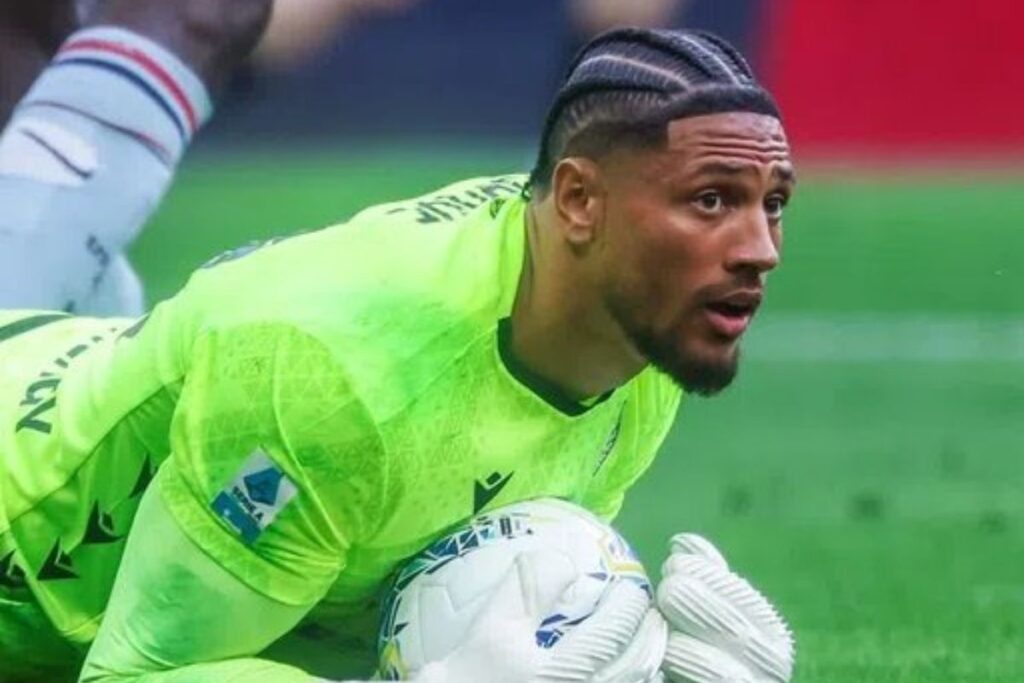
Okoye’s journey is the ultimate embodiment of resilience. After initial setbacks in Europe and for the Super Eagles of Nigeria, Okoye was touted as promising but inconsistent. Since then has used the quiet of Serie A to become one of WhoScored’s top-rated keepers in Europe. Goalkeepers with his wingspan and modern sweeper capabilities usually command huge fees, making Okoye one of the most undervalued goalkeepers in the sport.
Udinese’s No 1, his development in Serie A has been one of the more significant Nigerian success stories in recent years. In Italy, he has matured into a calmer, more complete presence. Standing at 1.98m, Okoye naturally commands space, but his biggest growth has come mentally. He is much more composed in aerial situations, more decisive off his line, and organises and manages his defence better.
His shot-stopping ability remains a major strength, coupled with quick reactions, long reach, and improved positioning, which make him difficult to beat in one-on-one situations. Just as importantly, his distribution has become cleaner, allowing teams to build from the back rather than simply clear long.
If he continues on this trajectory, major clubs around the world could view him as either a starting option or elite-level competition.
6. Emmanuel Fernandez (Rangers)
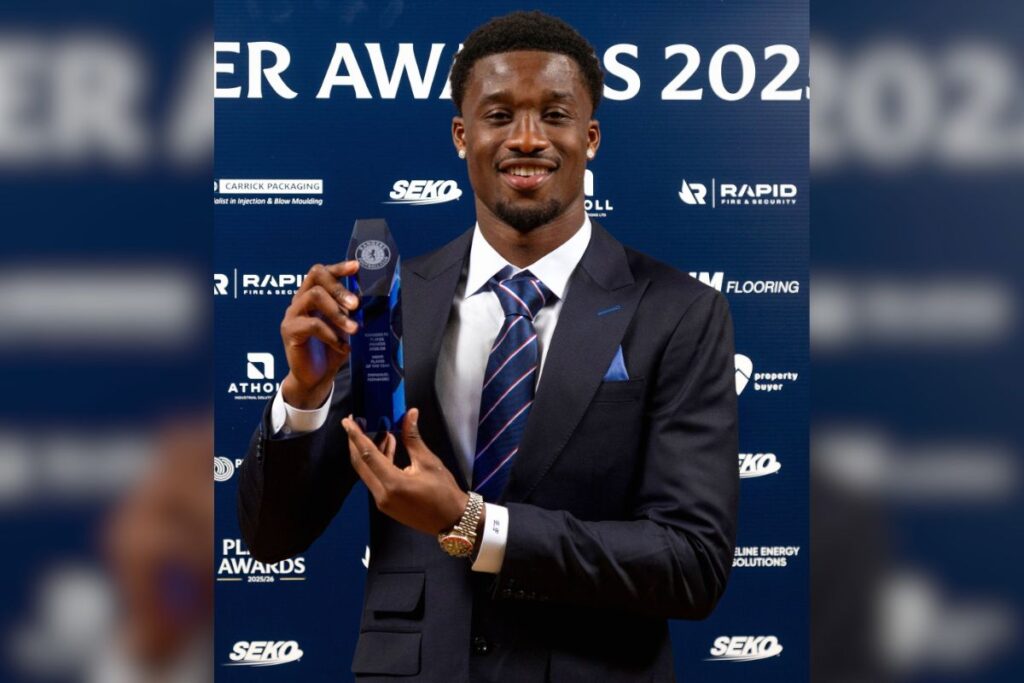
Emmanuel Fernandez is Rangers FC’s new rock at center back after joining from Peterborough United in 2025, and his rise has been dramatic. A defender who came through non-league football is now attracting attention from larger European clubs after an impressive season in Scotland.
Fernandez’s physical profile stands out immediately. Tall, powerful, and aggressive in duels, he is built for central defending. Yet what has made scouts take notice is that he also handles space well. He can defend transitions, recover in wider channels, and compete in a higher line, important traits of a modern centre-back.
He has also been dangerous at the other end of the pitch, contributing several goals from dead-ball situations. With consistent top performances, Fernandez looks like a player whose ceiling is higher than was expected. That extra dimension further raises his stock. With his Nigerian debut now in the bag, his visibility has grown substantially.
Top clubs across Europe’s top 5 leagues will do well to keep Fernandez on their radar as his unique blend of qualities can be a huge boost to their backline. Clubs such as Brentford FC, Napoli, or Borussia Dortmund would all make tactical sense in the future. Fernandez has moved past being a project defender and is well on his way to becoming a genuine top-level asset.
7. Rafiu Durosinmi (Pisa Fc)
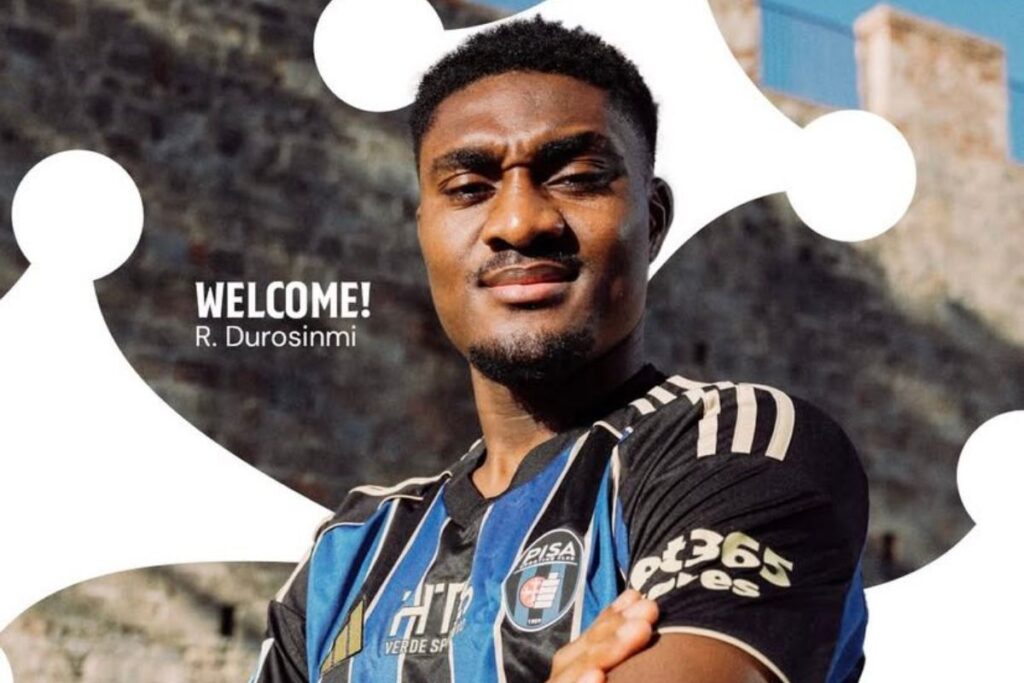
Rafiu Durosinmi is currently Pisa Sporting Club’s record transfer after his €11 million January 2026 move from Viktoria Plzeň. A transfer that reflects how highly his profile has risen after productive seasons in the Czech Republic and impressive European performances.
At 1.92m, Durosinmi has the frame of a target striker, but his game is broader than that label suggests. He can run channels, combine in transition, and attack defenders with momentum. He offers imposing physical presence and mobility, a combination which is increasingly valuable in modern striker markets.
Before his move, he had built strong numbers in Czech football while also contributing to UEFA competition. Scoring in Europe against stronger opposition, including in a surprise 2-1 win against AS Roma, validates his high goal-scoring potential against any opposition. He is still young enough to improve technically, but the raw package is already highly attractive.
While being their record transfer, the transfer to the bottom of the Serie A league, Pisa, is a questionable move. Pisa has nowhere near the presence of Viktoria Plzeň, and the striker has struggled for form in the embattled club, whose relegation has now been confirmed.
Irrespective of the setbacks, larger clubs in Germany or England seem like a much better environment for the budding Nigerian striker. Teams like VfL Wolfsburg or Brighton & Hove Albion would likely appreciate a striker with his blend of size and movement.
8. Ryan Alebiosu (Blackburn)
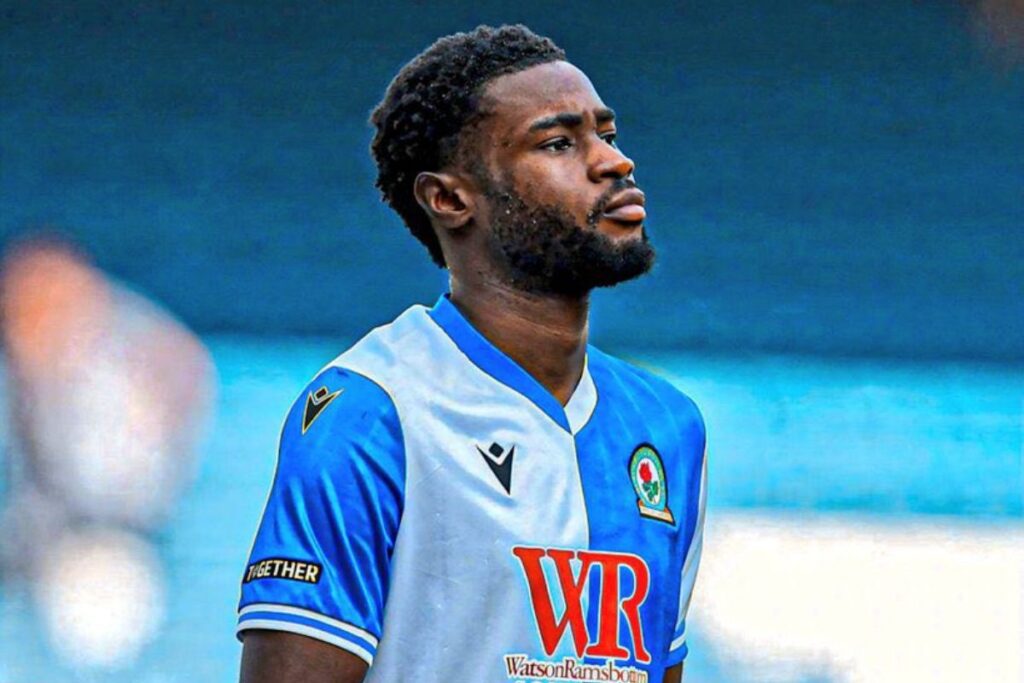
Ryan Alebiosu is a former Arsenal academy player who has built a senior career through experience after previous spells in Belgium and Scotland. Currently playing at Blackburn Rovers, where he has been a revelation and is in contention for their player of the season, Alebiosu is refined, quick, and technically secure.
Alebiosu has all the attributes managers want in a modern right-back: pace, height, strength, and recovery ability. At 1.88m, he is taller than many players in his position, which helps in back-post defending and duels. He also has enough speed to handle wide attackers in open-field situations.
His game is still developing technically, particularly in final-third delivery and refined possession play, but those aspects often improve with minutes and coaching. However, he already possesses the attributes that cannot be taught: athletic capacity, intensity, and defensive range. That is what makes him a winning profile in today’s game.
If Blackburn continues to trust him, he could become a Premier League player in time. His player of the season shout captures just how important he has been to the Rovers, and a player of his calibre should be attracting interest from top clubs. He is a Premier League full-back in a Championship shirt, waiting for the rest of the world to catch up to his talent.
9. Chibuike Nwaiwu (Trabzonspor)
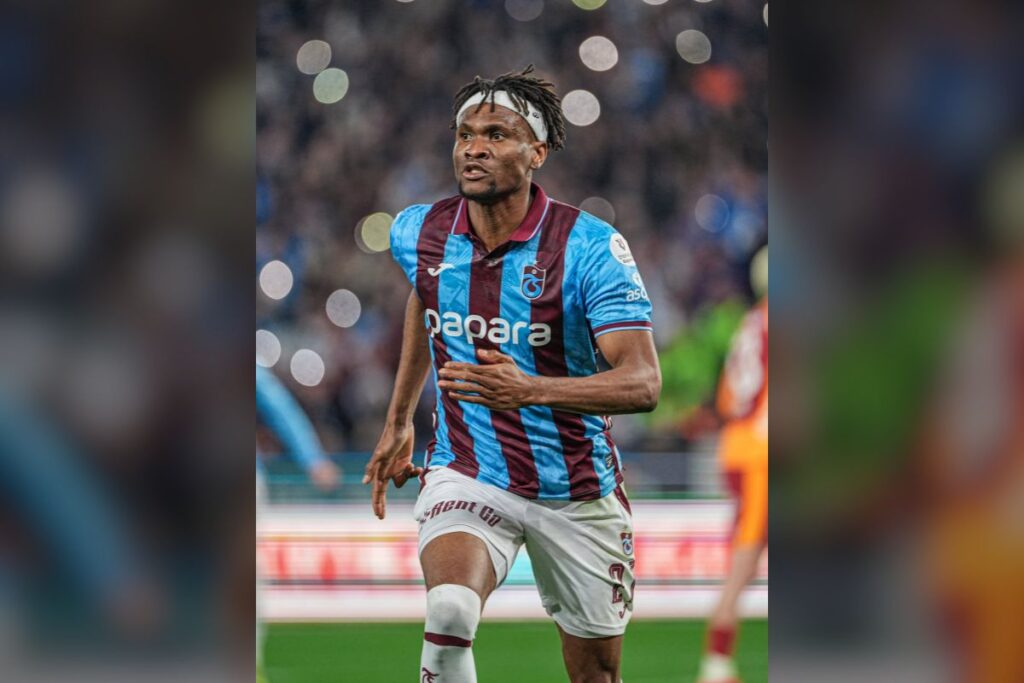
At only 22, Chibuike Nwaiwu has progressed rapidly in his career. The center back has moved from the Nigerian Premier League to Austria and now finds himself playing for Turkish giants Trabzonspor, a litmus test of his talent. The defender joined the Turkish powerhouse from Wolfsberger AC in January 2026.
Nwaiwu is an imposing centre-back who blends strength with agility. He is strong in aerial duels, aggressive in challenges, and comfortable stepping into midfield zones when needed. He can deal with physical forwards while being mobile enough to defend spaces as needed.
In Turkey, the defender has settled quickly and begun contributing soon after arrival, including goals and assists from defence. This shows mentality as much as talent, as most young defenders moving mid-season into demanding environments often struggle. On the contrary, Nwaewi appears to have embraced the challenge.
If he continues progressing, he could become one of Nigeria’s next export defenders to a top-five league. Clubs in Germany or Italy would likely admire his tools. For now, Trabzonspor may be the perfect platform: competitive pressure, a strong fan base, and regular high-level matches, but not for long.
10. Bright Osayi-Samuel (Birmingham City)
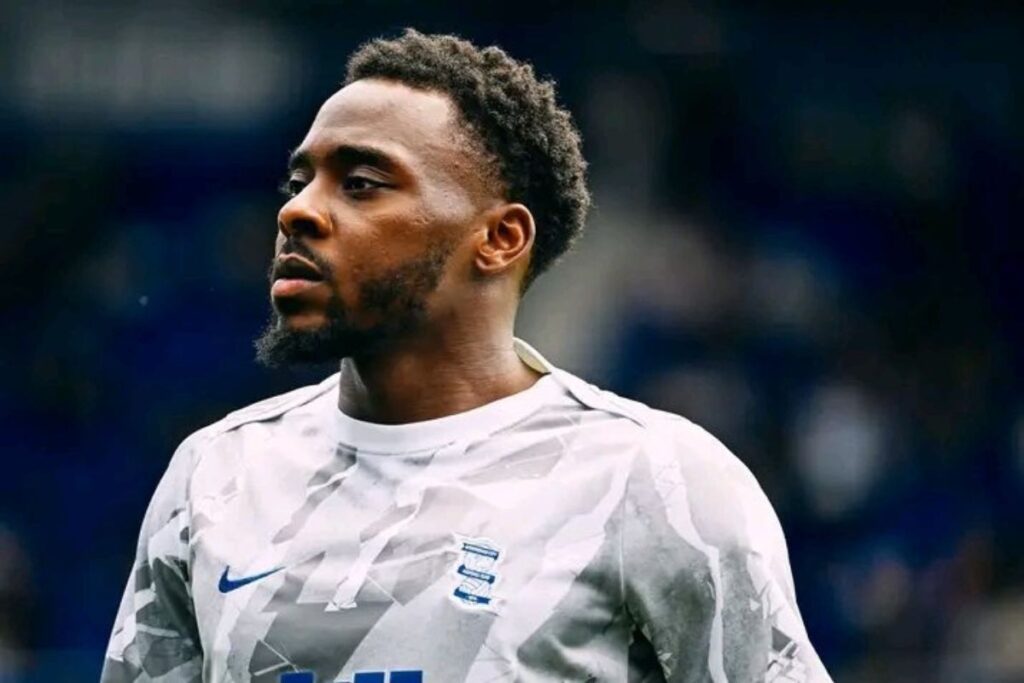
Osayi-Samuel’s move to Birmingham City from Fenerbahce was a tactical shock to the Championship. With 25 games and nearly 1,400 minutes played this season, he has turned out to be one of the fastest and most defensively sound full-backs in the league.
A modern, athletic full-back whose game is built on a combination of physical dominance and defensive reliability, SportsBible says he is “too good for the Championship.” Naturally a winger earlier in his career, he has evolved into a right-back/wing-back who thrives in transition-heavy systems. His key strengths are pace, stamina, 1v1 defending, and recovery runs, traits that make him particularly effective against quick wide attackers.
At 28, he is in his physical prime. For a Premier League side like Everton or a La Liga outfit like Villarreal, he represents a low-risk, high-impact signing who brings European pedigree to a domestic setup. His profile fits what many coaches quietly value: a player who can neutralise opposition wingers, cover space quickly, and execute tactical instructions without risk. Defensively solid as they come, his attacking output is, however, limited.
Looking ahead, Osayi-Samuel would be a strong fit for clubs in the Premier League, such as Crystal Palace FC or Wolverhampton Wanderers FC. A mutually beneficial profile, especially in systems that protect the back line and rely on counter-attacks. In Europe, clubs such as Atalanta BC or Eintracht Frankfurt, which use energetic wing-backs in structured systems, would also suit him.