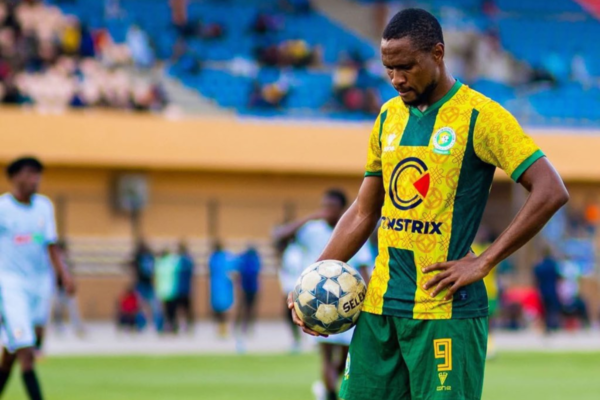






It is June 28, 2025, and Kwara United have just clinched the Federation Cup through a 4 – 3 penalty shootout following a goalless draw against Abakaliki FC. The North Central team had finished the NPFL season two points above relegation zone, but they earned some respite from their average season through the Federation Cup win, with some prize money to boot.
Securing the prestigious silverware (which is equivalent to England’s FA Cup and France’s Coupe de France) made Kwara United entitled to 50 million naira in prize money at the time. But the outstanding winnings have not been paid, even as of March 2026, and the NFF have been suspiciously quiet about it.
There has been no explanation, no negotiated payment timeline; just radio silence from the country’s sporting federation. As if to make matters worse, the NFF has begun registrations for the 2026 edition of the Federation Cup.
Effect on the Club
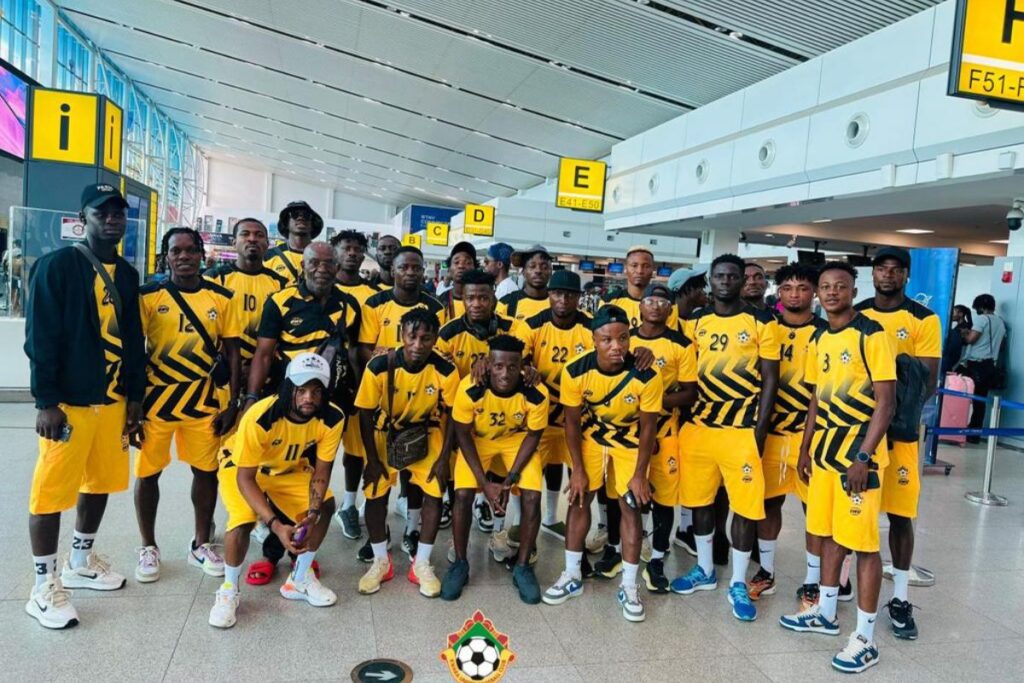
Kwara United made history with their victory at the Onikan Stadium, when they clinched the Federation Cup, their first major silverware in the club’s history. The Kwara State government rewarded the players and technical staff with 5 million naira each and two plots of land in recognition of their success, but the club is yet to get the federal prize.
Currently, Kwara United sit in 19th place on the NPFL table, three points away from the relegation zone and with an awful lot of competition to deal with. There is no telling how significant the Federation Cup winnings would have been to their season, especially in bolstering the squad for the new season.
The club has been diplomatic in requesting their prize money from the NFF, with support from the press. (4) However, the NFF administration has been silent on the matter, leaving the club stakeholders frustrated. As stated earlier, the NFF administration has been inept for so long, leading to a string of inconsistencies in their handling of payments and accrued benefits to the country’s football stakeholders, players and coaches alike.
“Not a New Thing”
This is not the first incident where the NFF owes a football team agreed payments. The Super Eagles, the country’s flagship representatives at the international football stage, had to resort to training boycotts and threats to not play the 2026 World Cup qualifiers play-off semi finals against Gabon to get their accrued bonuses stretching back to 2019.
It has been a string of poor handling in the current NFF administration, and it has undoubtedly cast aspersions to the Federation’s already shaky credibility.
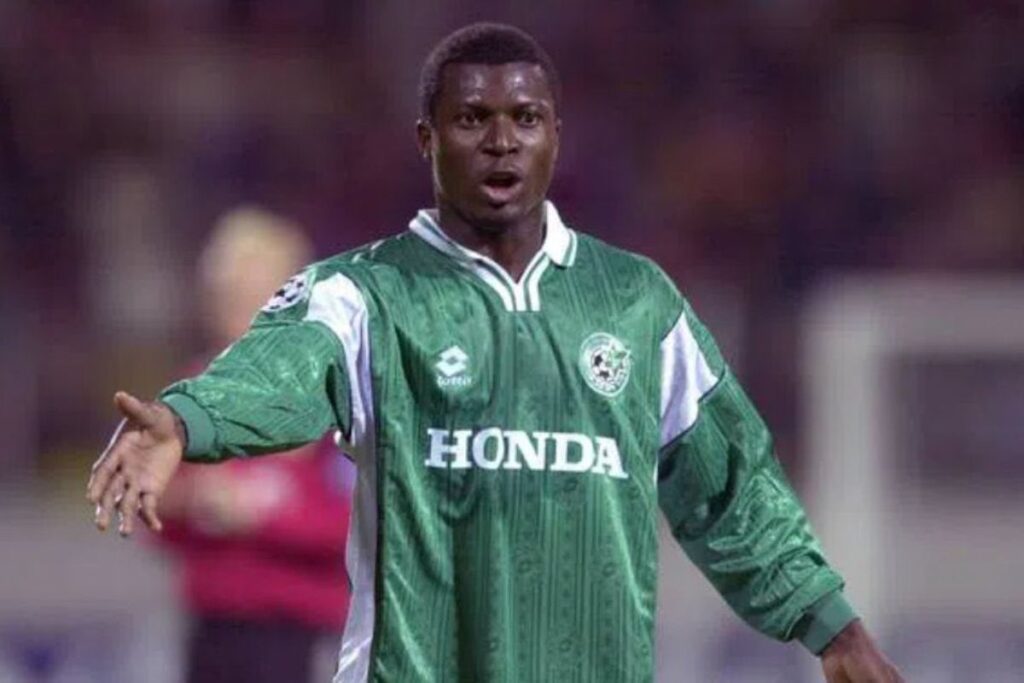
Former Super Eagles and Everton forward Yakubu Aiyegbeni spoke on his poor experience with the NFF in the 2000s on a podcast session with Bet9ja’s Home Turf Podcast, stating that it was “not a new thing” with the football federation. He and a teammate, Bright Igbinadolor, resorted to physical threats to get their return ticket fees from an NFF official at the airport in London.
The said official told the players that they will get their due ticket fees at the next international duty, after the Nigerian team crashed out of the 2000 Olympics at Sydney.
As things had gotten physical, the official produced their pay packets of $1,200 each from their pockets. According to Aiyegbeni, this was not the only time the NFF refused to pay their allowances, despite the funds being available. He noted that at different times in his international career, the most senior players in the Nigerian national team like Nwankwo Kanu and Sunday Oliseh would threaten to not play international games until the team’s bonuses and allowances were paid.
Not too surprisingly, the payments seemed to materialize before the games.
World Cup Tragedy
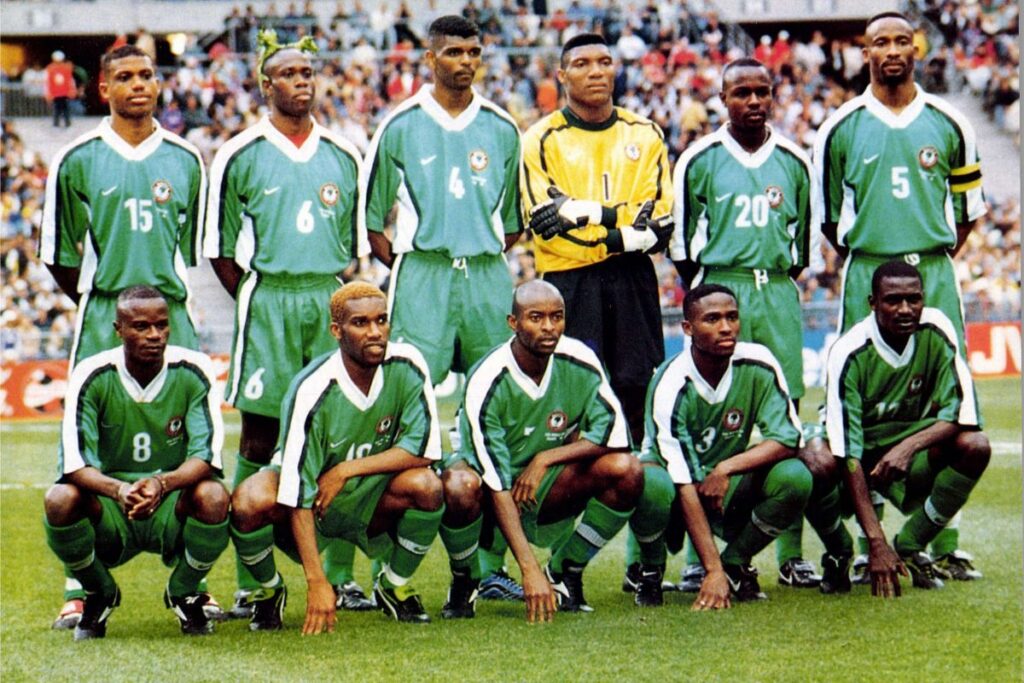
The experiences get even sadder. The 1998 FIFA World Cup revealed a sporting failure that could be traced directly to the NFF’s negligence in player allowance payments. A BBC article in 2002 detailed the events that influenced the 1998 World Cup exit, from the run-up to the circumstances around the eventual exit. (12)
While the Super Eagles were not favorites to win, the squad sported immense potential in players that were lighting up Europe at the time. In fact, they went on to register a statement 2 – 1 win over Spain in the group stages, a European powerhouse team that had not lost a competitive game since 1996.
All that promise led nowhere, unfortunately, as the Nigerian camp dissolved into confusion because of disputes over unpaid bonuses. The ruckus took the momentum right out of the Nigerian team, as they lost their third group stage match and, eventually, their Round of 16 knockout game 4 – 1 to Denmark.
Owing Head Coaches Too?
Even head coaches are not exempt from the NFF’s negligence in payment. While on a session with the Bet9ja Home Turf Podcast, he admitted that the NFF also owed him two month’s worth of salaries, up to $26,000. He stated that he won’t be suing the country because it is “his fatherland,” but that was not the case with foreign coaches.
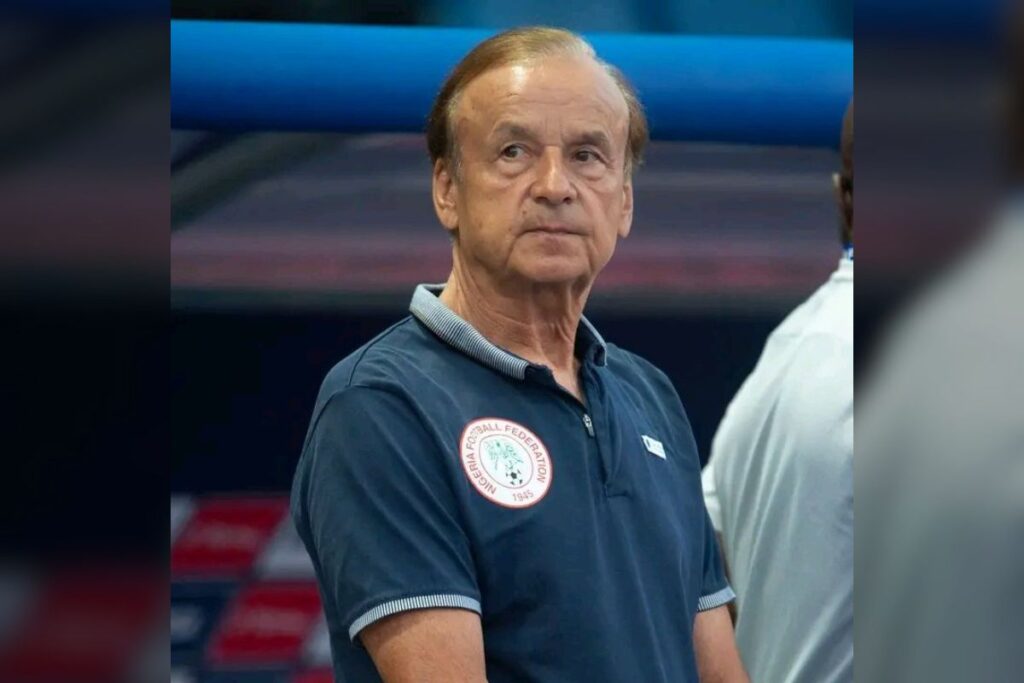
Gernot Rohr had his contract terminated in 2021, with over a year left on the deal, and a promise from the NFF to pay off the rest of his deal. The Franco-German took the federation to court later in 2022, as he deemed his contract termination due to no just cause.
In May, FIFA ordered the NFF to pay Rohr $377,879.46 in 45 days after the ruling to avoid any sanctions, but the federation was yet to complete the payment, with about $127,000 left to pay as at August 2022.
It was no different with Jose Peseiro, as the federation admitted to owing the Portuguese and his staff several months worth of salaries amid financial challenges. The financial challenges ruled out any possibilities of a renewal for Peseiro, as the NFF opted to sign Eric Chelle on instead.
Impacts on the Future of the Federation Cup
Non-payment of the prize money to the previous winners of any competition could have negative effects on the future of that competition. Now, clubs all over the country have been registering for the upcoming rounds of the Federation Cup (scheduled to kick-off on March 22nd and run till April 26th, 2026) while the NFF owes the current Cup holders.
To the casual observer, this is a classical case of negligence of duty. But under closer scrutiny, it is clear that the NFF’s non-payment of the Federation Cup winnings, along with their radio silence and non-chalant disposition to the entire affair, is a pattern that they have grown accustomed to repeating.
Subsequently, since the NPFL and its constituent teams may not sport the coverage and publicity that the national team players have, the NFF seem ready to let this incompetence go on. It is a major issue at the moment, but the bigger problem is that such negligence of duty sets a dangerous precedent for the future of the Federation Cup and the NPFL by extension.
Ifl the NFF and the appropriate stakeholders in the federal government let this incompetence in administration negatively impact football across the country remains to be seen.