





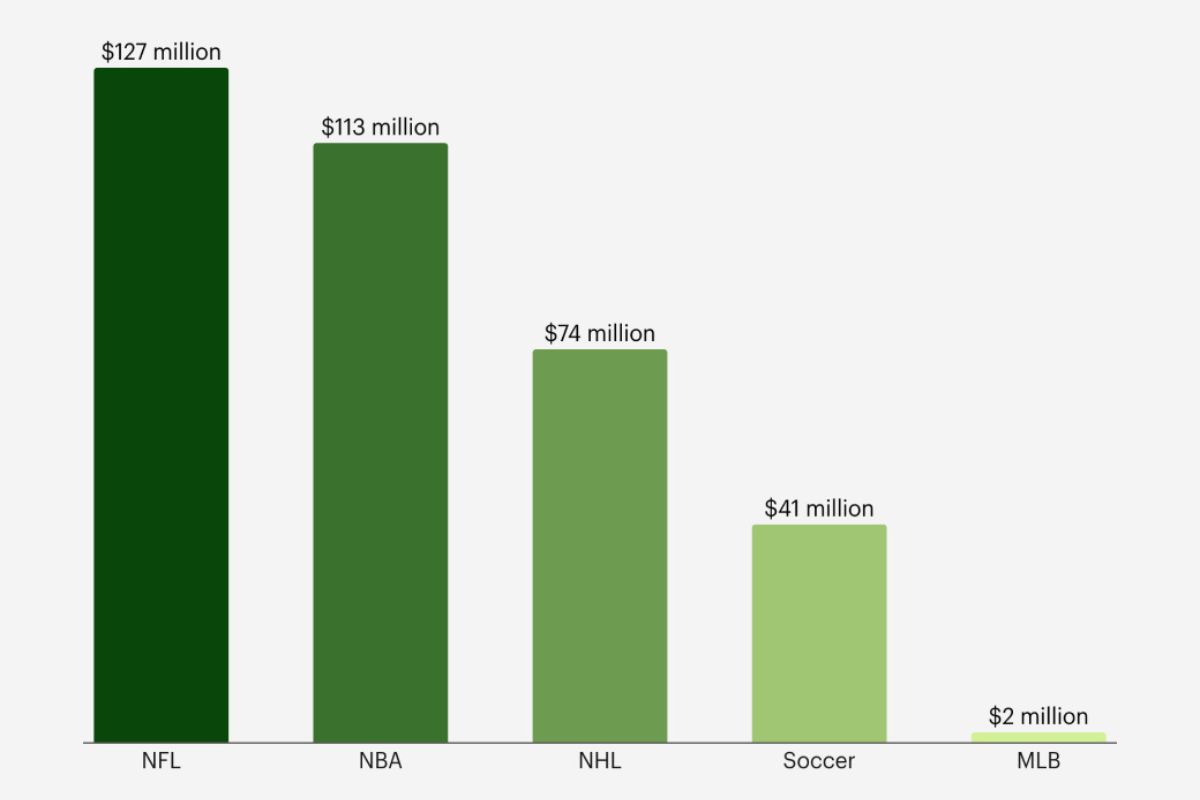
Forbes just published their list of the most profitable sports teams in the world. Dominated by national football, basketball, hockey, and soccer teams, the report captures estimated operating income generated by the teams (earnings before interest, taxes, depreciation, and amortization) for the most recent season.
Manchester United has emerged as the most profitable club, based on the report, despite not winning any major silverware in the past few years. Only three football clubs appear in the top 20, and the Red Devils are closely followed by Tottenham Hotspur and Arsenal, two clubs that have also gone lengthy periods without silverware. These three clubs top the list due to deeper revenue structures beyond just trophies. Box 18 Naija breaks down how they achieved this feat.
Red Devils: The Legacy Giants From Manchester
Last season, Manchester United finished in 15th place in the Premier League, their lowest top flight finish in 51 years. The fact that they can remain as one of Football’s most prominent brands is a financial marvel. This leverage is driven by several factors that very few other teams can replicate, resulting in record revenue of £666.5 million. We explore these factors below –
Legacy & Fan Pride
At the center of Manchester United’s commercial viability is their larger-than-life legacy and the loyalty of one of the biggest fan bases in sports. The Red Devils enjoyed a near-mythical era of success under legendary coach Sir Alex Ferguson, and their aura remains unshakable to this day, even in the face of subpar results and one of their longest spells without silverware.
Globally, Manchester United has over 1.1 billion self- declared fans. This fanbase has been garnered over years of European football dominance and the global appeal of the Premier League. Their legacy makes them an attractive destination for some of football’s biggest stars, and even without Champions League qualification, their loyal fans never waver in their support and quest to return to their glory days. With Old Trafford’s 75,000 capacity, premium hospitality packages, and fans that keep buying tickets, irrespective of results, their matchday revenue hit a record £160.3 million.
Commercial Appeal & New Revenue Models
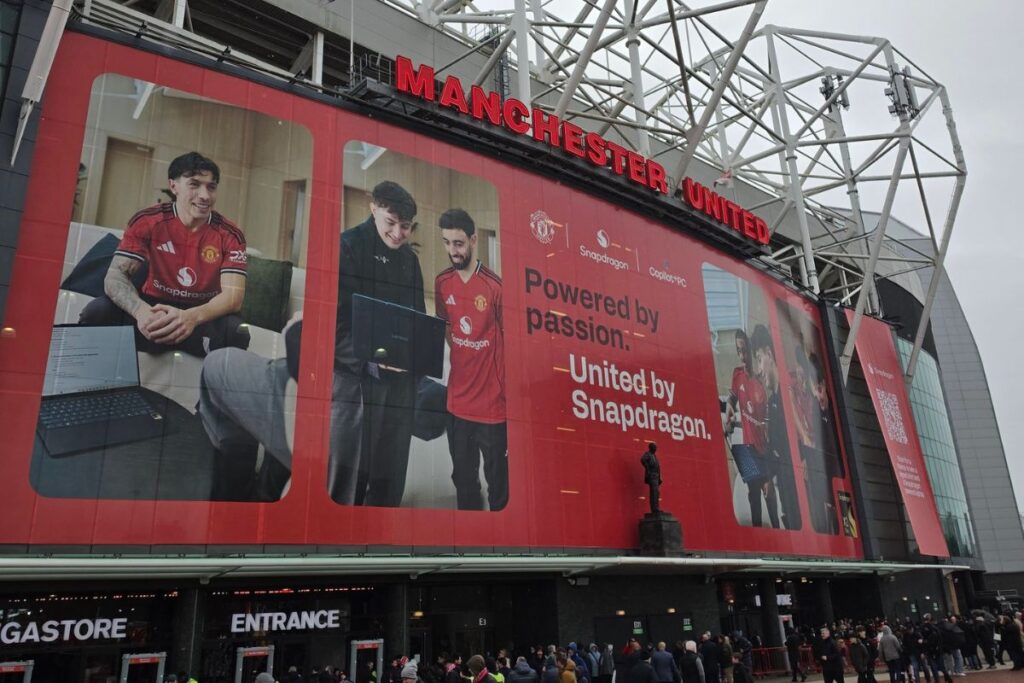
Manchester United executives have named their 5-year front-of-shirt sponsorship deal with digital company Qualcomm‘s Snapdragon brand the most valuable in world sports. The deal was inked despite Manchester United’s poor performance on the pitch, which speaks volumes about how investors view their brand and the massive commercial appeal that the Red Devils wield.
Their commercial revenue, including merchandising, apparel, and product licensing, increased 10% year-on-year to a record £333.3 million, spearheaded by their brand deal with Snap Dragon.
The Manchester club also launched a new e-commerce model featuring a direct-to-consumer retail strategy. Coupled with a post-season tour of Malaysia and Hong Kong, this approach opened new monetization channels that the club had previously under-exploited, leading to a 15.8% year-on-year growth and revenue totalling £144.9 million.
Cost-saving Direction from New Owners Ineos
Measures were undertaken after new part-owner Jim Radcliffe and his consortium, Ineos, were handed the reins to operate the club. From club appointments to transfer strategy, the fingerprints of Sir Jim and his team have been all over how Manchester United is currently being run. The club has managed to turn its fortunes around, attracting effective players who have made an immediate impact and elevated the team to a current 3rd place position in the league.
Inheriting an outstanding debt of over £700 million, the INEOS group immediately set about cutting costs from Manchester United’s operations. These cost-cutting measures include wide-scale redundancies, wage bill trims, operational restructuring, and new revenue-generating incentives spearheaded by the Snap Dragon sponsorship. These incentives have yielded positive results with the club recording a net loss of £33 million, down from £113.2 million the previous year.
What The Future Holds
Manchester United can look forward with great hope as their on-field performances have drastically improved, with Champions League qualification now in their sights. Improved recruitment strategies, necessary cost-cutting, and some of the biggest brand deals in sports have all contributed to an improved financial outlook. If the club can secure a Champions League spot, the financial inflow will greatly improve its condition. However, their debt bill has also risen, and the club will be looking to reduce it over time. Exciting times are ahead indeed for Manchester’s pride.
Tottenham Hotspur: A Commercial Machine Firing On All Cylinders
Tottenham’s presence on the list shows how a football club can be run as a multi-use entertainment business to rake in revenue more profitable than a trophy cabinet. As economically miraculous as it may be, it is also important to note that while the North London team had a trophy drought, their win of the Europa League last year has made significant contributions to their revenue.
However, in the grand scheme of things, it is their business off the pitch that has revolutionized the club and turned them into a revenue-generating machine. We explore how they did it below –
A Stadium Built for Success
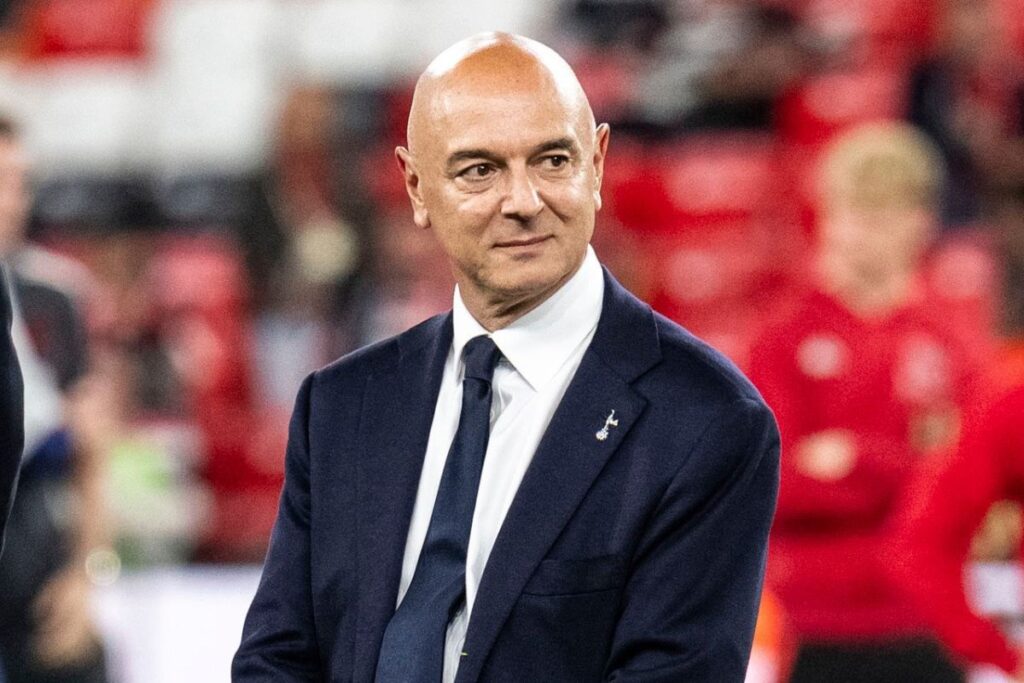
When ENIC took control of Tottenham, the club was valued at £80 million. By 2025, this valuation had risen to £2.6 billion, fueled by Daniel Levy’s strategy to generate massive revenue, and their stadium was the turning point. The Tottenham Hotspur stadium opened in 2019 at a cost of over £1 billion. Creatively designed to be a dual-use venue, it features a retractable grass pitch with an artificial NFL surface underneath, maximising the number of days the stadium can yield income.
The innovative intent of the stadium had led to a partnership with the NFL in 2015, where a minimum of two premium matches were guaranteed to be hosted at the stadium yearly. This agreement has now been extended to 2030. Alongside broadcast deals, hospitality packages, food, drinks, and merchandise that can accompany a 67,500 capacity NFL game, the Tottenham Hotspur stadium is a money-printing machine, independent of the team’s performances on the pitch.
The Ultimate Entertainment Mecca

Besides constant NFL patronage, Tottenham Hotspur stadium has also become an entertainment mecca of sorts. The stadium has hosted several mega concerts, including 5 nights of Beyoncé, Lady Gaga, Red Hot Chili Peppers, Wizkid, and more, transforming the stadium into a constant revenue stream that many other clubs cannot replicate.
Maximizing their entertainment revenue, the stadium has also hosted major fights in combat sports, most notably boxing. Anthony Joshua’s mega world heavyweight clash with Oleksandr Usyk and, most recently, the Battle of Britain between Chris Eubank Junior and Conor Benn have proven that the venue can host global sporting events.
In 2023-24, Tottenham generated £55 million from non-football revenue alone, including concerts and combat sports. This figure rivals the entire matchday revenue from some other clubs, a testament to Tottenham’s brilliant business model.
A Commercial Growth Rate Like No Other
Since moving to their new stadium, Tottenham’s commercial revenue has grown at an average annual rate of 20%. This statistic shows that the club’s commercial revenue grows larger with each passing year. In the spirit of diversifying their revenue, the club has also added F1 DRIVE London simulator experience inside the stadium.
Commercial revenue driven by sponsorship, merchandise, third-party events, visitor attractions, pre-season tours, conferences, and events increased to £255.2 million for the North London club. Total revenue and other income increased to £565.3 million in 2024-25, driven by their Europa League win and other revenue streams.
What The Future Holds
Tottenham’s first trophy in 17 years, the Europa League has increased their standing and revenue stream but the strategic positioning of the stadium’s utility has been the driving force behind their bright financial performance.
Despite these record numbers, the club still has huge losses from stadium depreciation and debt interest. With the club performing dismally in a disastrous league season that has seen them change managers thrice, leaving them battling relegation, their finances next season could take a hit as they seem all set to miss out on European qualification. With the recent appointment of Roberto De Zerbi, the club will hope to avoid relegation and come back stronger next season.
Arsenal FC: Mikel Arteta’s On-field Renaissance Is Finally Paying Off
In contrast to Manchester United and Tottenham’s financial models driven by off-the-pitch business, Arsenal’s presence on this list is heavily driven by their on-pitch rejuvenation. Arsenal has gone from no European football in the 2021-22 season to the Europa League in the 2022-23 season, and the Champions League in the 2023-24 season.
Over that period, the club has grown tremendously, with both revenue and wages increasing by over 50%. Returning to the Champions League after a 7-year absence, Arsenal’s entire revenue growth is almost entirely driven by their steady improvement under long-term coach Mikel Arteta. We break down the factors responsible for their revenue growth below –
Broadcasting Revenue At Its Peak
Arsenal’s broadcasting revenue soared to £262.3 million from £191.2 million the previous year, reflecting the huge difference in broadcasting income from the Champions League against that of the Europa League. The difference is indeed mind boogling. The Gunners received $101 million in UEFA distributions compared to just $28 million the previous year from Europa League participation, an almost fourfold increase.
In addition, Arsenal’s second-placed Premier League finish and the highest number of live league games in the League, took their broadcasting distribution alone to £175.5 million. The combination of stellar performances in both the Champions League and the Premier League raked in revenue that was beyond their reach during their struggling years.
Record Matchday Revenue At The Emirates

The presence of Champions League football means more games at the Emirates. Over 25 home games, and the near sell-out rates of these games earned £131.7 million compared to £102.6 million the previous year. The average attendance across men’s home fixtures peaked at 60,095 fans.
Arsenal’s matchday revenue eclipsed that of local rivals Tottenham, whose stadium boasts an extra 2,000 seats and was built to drive revenue. Earnings for the Gunners grew by 30%, astounding financial analysts and experts. In addition to Champions League games, other contributing factors include an estimated 5% ticket price increase, increased profits from US touring, growing receipts from women’s football, and improved premium hospitality seats.
Better Performances Drive Commercial Earnings To The Max

A renewed stadium naming rights and shirts sponsorship deal with Emirates, and training ground rebranding with Dubai real estate magnate Sobha Realty saw Arsenal’s commercial revenue balloon to £218.3 million, increasing by almost £50 million.
Arsenal also enjoyed strong retail sales following the release of several leisure collections with kit maker Adidas. To maximize this revenue source and capitalize on their increasing global profile, the club added 87 commercial and administrative staff during the season.
Debt-Free Operations Backed By The Biggest Ownership In Sports
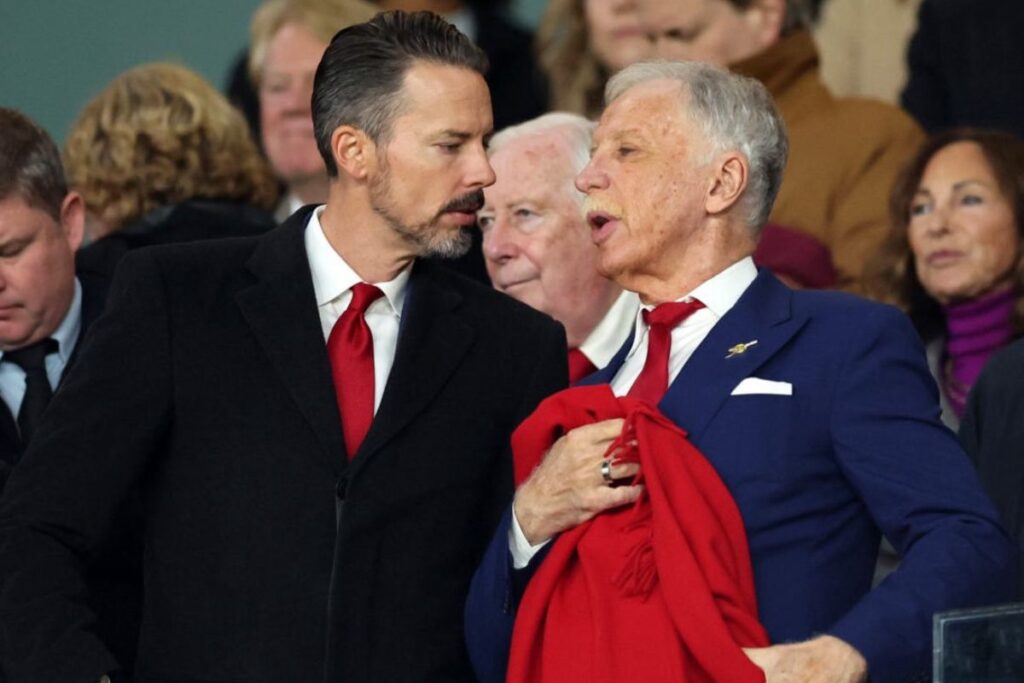
Strategic funding for the Gunners is provided by parent company, KSE UK Inc., which is wholly owned by the controlling party Mr. E.S. Kroenke. The company provided funding for transfer activities and working capital.
Mr. Kroenke’s sports conglomerate also owns LA Rams (NFL Super Bowl champions), hockey team the Colorado Avalanche, NBA team Denver Nuggets and Major League Baseball the Colorado Rockies. Ultimately, Arsenal is backed by one of the most diversified and valuable sports ownership groups. In fact, Stan Kroenke’s KSE Inc tops the list of the most valuable sports empires in the world, giving Arsenal a financial safety net that very few clubs can match.
An underrated consequence of Arsenal’s long-term operations is how little debt they carry in relation to their value. Debt as a percentage of their value stands at just 1%, a relatively clean slate compared to Tottenham’s near £900 million stadium loan and Manchester United’s heavy Glazer-era debt. This means Arsenal’s revenue is not being consumed by debt interest, and that holds a significant long-term structural advantage.
What The Future Holds
Arsenal’s revenue for 2024-25 was a record £691 million, up from £616.6 million the previous year, driven by strong performances in both the UEFA Champions League and a Premier League runners-up finish. With strong performances carried on into this season, we can expect even more UEFA distribution money than before. Compounding commercial deals, and a wage bill that might still be high and now spread across a deeper and more competitive squad.
However, Arsenal’s wage bill is still a lingering problem. After rising at an astronomical rate, it has effectively cancelled revenue growth. Arsenal’s wage bill soared to $413 million during the course of the season, up by 40%. Player costs represented the bulk of the increase, but the club also added commercial and administrative staff. While Arsenal’s revenue has increased significantly and projections predict even better circumstances, questions remain around their wage bill and potential long-term sustainability.